






Comparing 7 kg Dryer Manufacturers by MOQ, Lead Time, and Service Support
A competitive unit price can become expensive when a 7 kg dryer order is tied to an inflexible MOQ, an unclear production schedule, or weak parts support after arrival. Comparing a 7kg dryer manufacturer therefore starts with the commercial conditions behind the quotation: how the order is configured, when production time starts, what is included in the lead-time promise, and how defects or spare-part requests are handled.
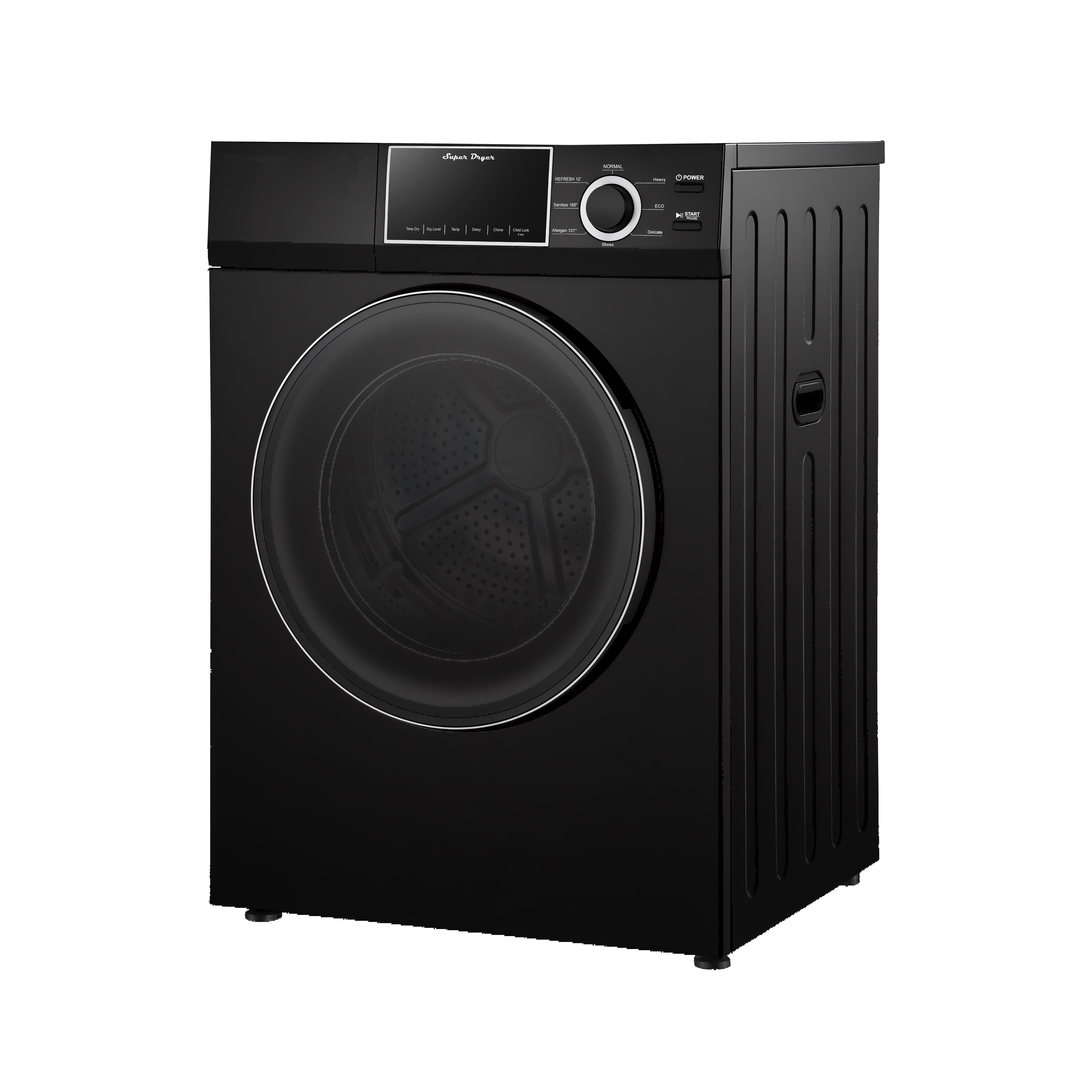
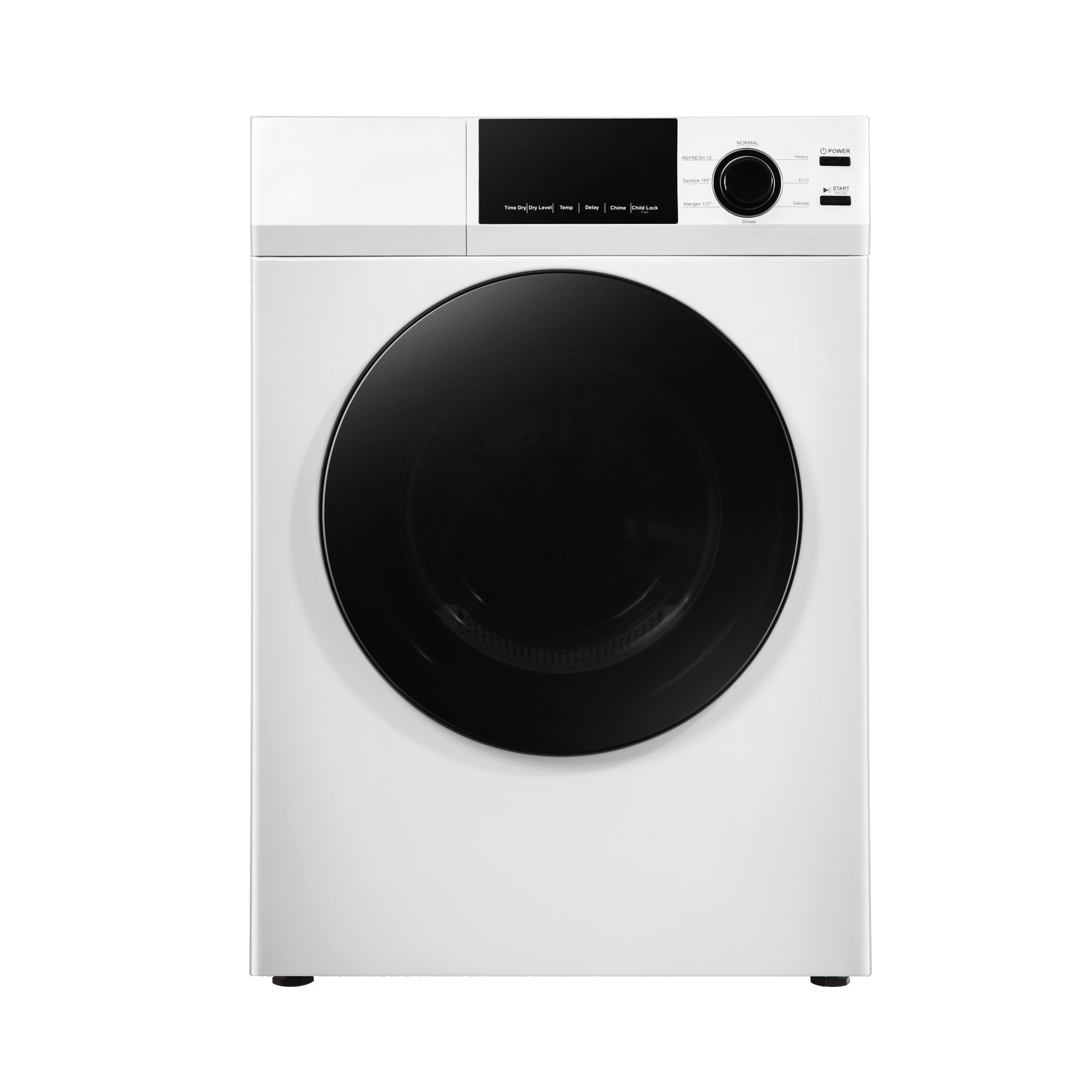
A 7 kg tumble dryer is often selected for household laundry ranges because its load size suits small and medium family use while keeping cabinet dimensions manageable. Yet two dryers described as “7 kg” may have different drum volume, heating architecture, control boards, door construction, packaging dimensions, and destination-market requirements. These differences affect both the factory's MOQ position and the final landed cost.
Read MOQ as a production commitment, not a single number
MOQ is frequently quoted per model, but that figure alone does not show how much order flexibility exists. A factory may accept a lower total quantity when several models share the same cabinet, drum platform, wiring layout, or carton size. Conversely, a small order with a custom door color, local-language control panel, unique plug, or revised carton artwork can require a higher commitment because dedicated materials and approval work are involved.
Ask whether the stated MOQ applies to the finished dryer, a color variant, a voltage configuration, or each packaging design. This distinction matters when an initial order contains more than one destination market. Mixing 220-240 V and 110-120 V versions, for example, may involve different electrical components, test procedures, labels, and instruction manuals. Combining them under one apparent MOQ without confirming component allocation can create an avoidable delay.
Low MOQ is not automatically preferable. It can indicate that the supplier is using available stock components and a standard configuration, which is useful for a trial order. It can also mean that production is being fitted around other jobs, leaving less control over dispatch timing. The useful comparison is the minimum quantity alongside the permitted configuration changes, confirmed material availability, and planned shipment window.
Separate production lead time from the full order timeline
Lead time should be measured from a clearly defined release point. A quote stating a certain number of days is difficult to evaluate unless it says whether the count begins after deposit receipt, artwork approval, sample confirmation, technical specification sign-off, or all of these. For a private-label dryer, the approval cycle for rating labels, manuals, carton marks, and control-panel language may be as important as final assembly.
Break the timeline into stages. Component preparation covers items such as motors, heaters, belts, control boards, doors, drums, and packaging. Assembly follows once the necessary parts are available. Inspection, aging or functional testing, packing, booking, and container loading are separate activities. A manufacturer that gives a single broad estimate without identifying the critical stage leaves limited room to detect a problem before the requested vessel date is missed.
Seasonality also changes lead-time reliability. Shared production lines may prioritize models with established rolling demand, while customized dryer configurations wait for a full material batch. The appropriate question is whether the quoted schedule reflects current capacity and component status, rather than an ideal production cycle. Requesting a milestone plan is more useful than requesting a shorter promise.
Details that change the schedule
- A new printed carton or a translated manual needs proof approval before bulk packing can be released. Late text corrections can hold finished goods in the factory even after assembly is complete.
- Changes to plug type, electrical rating, or safety markings should be frozen early. They can affect the wiring harness, label set, and destination-specific inspection documents.
- A pre-shipment inspection needs an agreed sample standard and adequate time before container loading. Scheduling it after the cargo is already booked creates pressure to accept unresolved findings.
- Container utilization should be reviewed using packaged dimensions, not only unit dimensions. A lower factory price loses value if carton design results in poor loading efficiency or requires a partially filled container.
Compare service support through evidence and response paths
After-sales support is often described in broad terms, so the comparison should focus on what happens when a dryer shows a fault after delivery. A useful service arrangement identifies the technical contact point, expected response route, available documentation, parts identification method, and treatment of recurring issues. A general warranty statement does not answer whether a service technician can obtain the correct heater, thermal protector, belt, door switch, sensor, or control board for a specific production batch.
Ask for an exploded view or parts list linked to model and revision information. The drying system may use components that look similar across versions but have different connectors, resistance values, mounting points, or firmware. Without a traceable part number, a replacement order can be delayed by repeated photo exchanges and uncertain diagnosis.
Service quality also depends on packaging and damage handling. Door glass, control panels, and cabinet panels need clear claims procedures because transit damage is different from an operational defect. Establish what evidence is required, when claims must be raised, and whether replacement components can travel with the next commercial shipment. Sending a small number of parts by express freight can be necessary, but it should not become the routine solution to predictable service needs.
For mixed laundry assortments, parts planning should reflect the installed base rather than copying the dryer order quantity. Compact washers may have distinct demands for drainage options, electronics, and installation hardware. For example, the configuration details of XIAOYA Wall-mounted Washer XQG25-1018丨2.5kg show why appliance comparisons need to keep product category, capacity, electrical specification, and application environment separate. A 2.5 kg wall-mounted washer intended for homes, RVs, or yachts cannot be used as a direct service or logistics benchmark for a floor-standing 7 kg dryer.
Certification and specification control affect cost before shipment
Certification claims should be matched to the exact dryer configuration being purchased. A certificate or test document may apply to a particular model, voltage, plug, factory location, or product revision. If the order changes from a standard version to a customized control panel or electrical setup, confirm whether the existing documentation remains applicable. Treating certification as a generic factory capability can result in relabeling work, document mismatch, or a delayed release.
Technical specifications also need a controlled version. Confirm the rated input, power supply, heating type, drum material, noise declaration method, net and gross weight, carton dimensions, and included accessories. For condenser or heat-pump designs, clarify water collection, drain arrangement, filter access, and cleaning instructions. For vented designs, verify duct connection requirements and installation clearances. These points influence local suitability, returns exposure, and warehouse handling.
Sample approval should capture more than appearance. Run the dryer through representative cycles, inspect door alignment and drum rotation, check control-panel readability, confirm the selected language, and compare the carton markings against the approved artwork. Retain the signed specification, approved sample record, and photos as references for production inspection.
Use a comparable request format
When quotations arrive in different formats, normalize them before comparing. Put each offer against the same order scenario: target model, annual or initial quantity, destination electrical requirement, branding scope, packaging requirement, requested dispatch period, inspection arrangement, spare-parts provision, and commercial terms. Then record exclusions separately. Tooling, artwork setup, certification-related changes, sample charges, inland delivery, and export documents should not be hidden inside a broad “other” line.
The strongest 7kg dryer manufacturer comparison is therefore not the one with the lowest headline MOQ or fastest stated lead time. It is the offer whose configuration, material readiness, approval milestones, inspection conditions, and service responsibilities are documented tightly enough to support a predictable first shipment and repeat orders.
Request A Quote?
Stay updated with our latest news. We promise not to spam!