






Budgeting for the XH80-Z711 Dryer: Delivery, Venting, and Setup
A competitive dryer quotation can look less attractive once the shipment reaches its destination. Terminal charges, an overlooked exhaust route, or a delivery team that stops at the loading dock can change the purchasing calculation. For procurement teams, budgeting for the Vented Dryer XH80-Z711丨7kg means understanding what it will cost to receive, install, and support each unit—not simply what appears on the supplier’s price list.
Before placing an order, confirm delivery terms, model-specific ventilation requirements, and setup responsibilities with Shandong Xiaoya Group Household Appliances Co., Ltd. The aim is to turn an attractive unit price into a dependable budget that distributors, importers, and installation partners can work with.
Build the budget around a ready-to-use dryer
Two suppliers may quote different prices while covering different portions of the same journey. One quotation might include export packaging and transport to a named port; another may leave more logistics work with the buyer. Neither figure is meaningful until its scope is clear.
A useful purchasing framework is:
Ready-to-use cost per unit = total product, logistics, import, delivery, installation, and commissioning costs ÷ number of deployable units.
Calculate service reserves and ongoing operating expenses separately so they remain visible. For a distributor selling boxed appliances, installation may sit outside the sales contract, but the cost still matters: dealers and customers will want to know what is needed before the dryer can operate.
Delivery costs: follow the shipment beyond the port
Request the proposed Incoterms® rule, version, and exact named place in writing. Labels such as “FOB price” or “delivered price” are not enough without a location and clear scope. Incoterms allocate certain costs and risks, but they do not replace separate agreements on payment, installation, or warranty.
For freight planning, obtain the XH80-Z711’s confirmed carton dimensions, gross weight, packaging configuration, and container loading quantity. Do not estimate these from its 7kg capacity or borrow figures from another appliance. Packaging volume and loading arrangements influence freight allocation per unit.
At destination, ask the broker or forwarder to identify likely charges beyond ocean freight. Depending on the route and contract, these may include terminal handling, document release, customs clearance, examinations, storage, and container detention or demurrage. Keep duties and taxes based on the confirmed classification and destination rules rather than a generic appliance allowance.
The last delivery leg deserves its own quotation. Warehouse receipt is different from delivery into an apartment, showroom, or customer’s laundry area. Check stairs, lift dimensions, loading restrictions, appointment requirements, and whether packaging removal is included. A delivery crew may not be contracted—or qualified—to connect the appliance.
Venting is a site decision, not just an accessory purchase
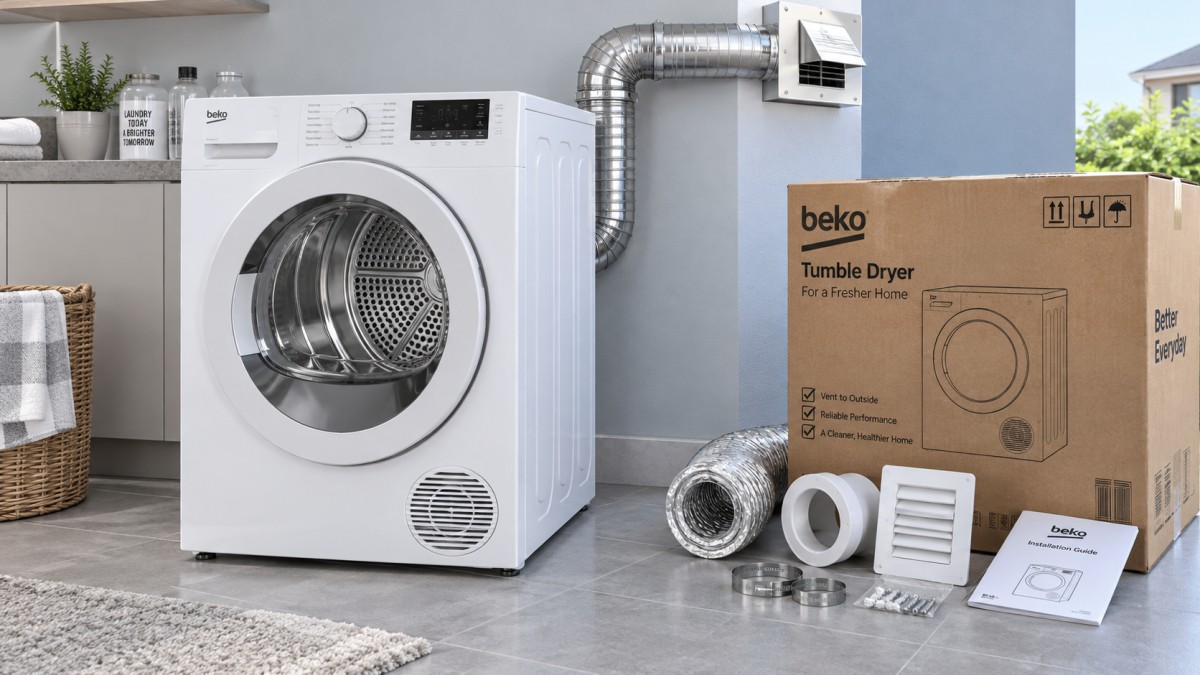
A vented dryer needs a suitable exhaust route. That makes site suitability one of the most important checks before a bulk purchase. An inexpensive duct kit cannot solve a location where external discharge is prohibited or where the route exceeds the appliance manufacturer’s limits.
For the Vented Dryer XH80-Z711丨7kg, request the current installation manual and confirm the exhaust connection size, permitted duct materials, maximum route limits, treatment of bends, and required clearances. These details have not been supplied here and should not be assumed from similar dryers.
Have the installer assess the proposed path from the dryer to the outdoor termination. The materials allowance may need to cover suitable ducting, connectors, supports, an approved external outlet, and sealing around the building penetration. Long or awkward routes can add labor and may be unsuitable regardless of the budget.
Also check building permissions, local exhaust requirements, and adequate replacement air. Dryer exhaust should not be discharged into a concealed void or connected to a shared system unless expressly permitted by the appliance instructions and applicable requirements. Where combustion appliances occupy the same space, seek qualified advice on ventilation and backdraft risk.
For distributors, a short pre-installation checklist can prevent expensive surprises. Ask dealers to confirm an acceptable exhaust route before promising installation. It is easier to resolve a site limitation before delivery than after a customer has cleared space for a new appliance.
Define setup so nothing falls between contractors
“Installation included” can mean anything from unpacking the carton to completing a documented operational check. Break the work into named tasks and assign each one to the supplier, logistics provider, dealer, installer, or end customer.
- Receiving: count cartons, inspect visible damage, record exceptions, and retain evidence required for claims.
- Positioning: confirm access, placement requirements, clearances, and any manufacturer-approved mounting or stacking arrangement.
- Electrical preparation: verify rated voltage, frequency, input, plug configuration, earthing, and circuit requirements against the destination installation.
- Exhaust connection: install the approved route and check that the duct is secure and unobstructed.
- Commissioning: follow the manufacturer’s procedure, check operation, and explain routine lint-filter and exhaust maintenance.
Do not budget around a plug adapter as a substitute for electrical compatibility. If circuit changes or fixed wiring are necessary, obtain a local quotation from a qualified electrical contractor. Likewise, do not assume a washer and dryer can be stacked simply because their footprints appear similar.
Keep mixed-appliance budgets separate
Buyers assembling a broader laundry range may also consider the XIAOYA Wall-mounted Washer XQG25-1018丨2.5kg. Its listed specifications include a 2.5kg wash/spin capacity, 550 × 320 × 600mm unit dimensions, and selectable pump or gravity drainage. Its installation allowance therefore needs to address wall suitability, fixing requirements, water supply, and drainage—not dryer exhaust.
Keep separate packing, electrical, installation, and compliance records for each model. The washer’s specifications and listed certifications should not be treated as evidence for the XH80-Z711 dryer.
Ask for a quotation package, not only a price
Founded in 1979, Shandong Xiaoya Group Household Appliances Co., Ltd. develops and manufactures front-loading washing machines, wall-mounted mini washers, and tumble dryers, with OEM and ODM services for overseas buyers. When requesting an export quotation, use that discussion to clarify configuration and documentation before comparing totals.
Ask for the following items together:
- A dated quotation showing model, configuration, quantity, currency, validity, payment terms, and delivery basis.
- A packing specification, accessory list, and current installation and operating instructions.
- Model-specific compliance documents relevant to the intended market, checked for scope and validity.
- Separate costs and lead-time implications for branding, packaging, language versions, or other customization.
- Written warranty terms, spare-parts arrangements, claim procedures, and responsibility for local service labor.
Request rated power and available energy-consumption information for operating-cost analysis. Actual electricity spending depends on usage, load condition, program selection, and local tariffs; capacity alone does not establish cost per cycle.
Approve the order with the uncertainties visible
Mark every budget line as confirmed, quoted, or provisional. Build any contingency around identifiable risks—such as an unconfirmed exhaust route or variable destination charges—rather than using it to hide missing information.
For a first order or unfamiliar market, a sample evaluation or limited deployment can help verify packaging, documentation, and installation assumptions before a larger commitment. The strongest purchasing decision is not necessarily the lowest factory price. It is the offer with a clear route from shipment to working appliance, supported by costs and responsibilities that everyone understands.

Request A Quote?
Stay updated with our latest news. We promise not to spam!